When considering an ev car in India, most buyers focus on purchase price, subsidies, and charging infrastructure. But a crucial ownership factor is long-term upkeep. Unlike petrol or diesel vehicles, electric cars have fewer moving parts, no engine oil, and minimal wear components. This makes the Maintenance cost of EV cars in India (5-year view) significantly different from internal combustion cars. In this guide, we break down realistic 5-year service expenses, battery considerations, and how popular models compare in India.
Check out Best Budget Electric Cars in India
Why EV cars have lower maintenance costs

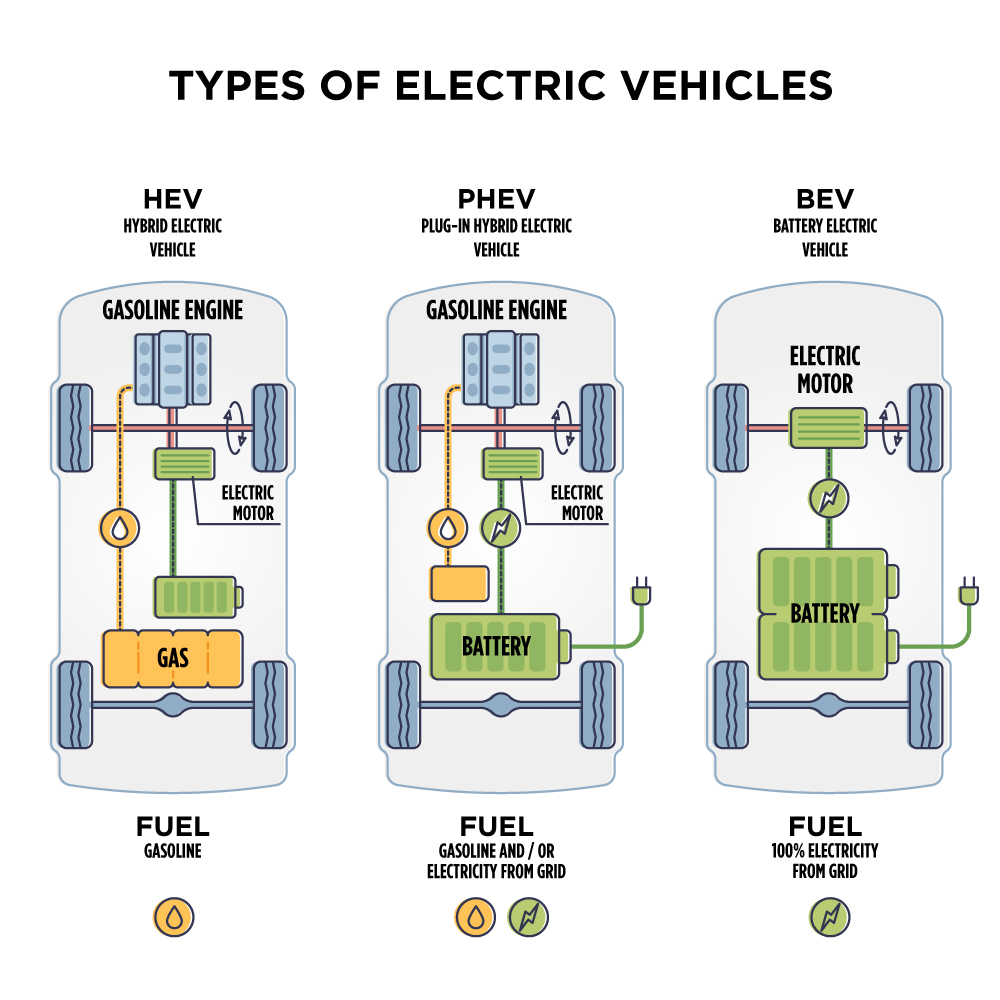

An electric powertrain is mechanically simpler than an ICE car. Key differences that reduce servicing needs:
- No engine oil or oil filters
- No clutch or gearbox wear (single-speed transmission)
- Fewer fluids and belts
- Regenerative braking reduces brake wear
For Indian conditions — stop-go traffic and short urban drives — this simplicity directly lowers routine service costs over 5 years.
Typical 5-year maintenance cost of EV cars in India
Below is a realistic ownership estimate for mainstream electric cars such as Tata Punch EV, Tata Nexon EV, and upcoming models like the Maruti e Vitara.
| Maintenance Item | Frequency (5 yrs) | Estimated Cost (₹) |
|---|---|---|
| Periodic service check | 5–6 visits | 12,000 – 18,000 |
| Brake pads replacement | 1 time | 6,000 – 12,000 |
| Coolant / thermal fluid | 1–2 times | 4,000 – 8,000 |
| Cabin air filter | 2–3 times | 2,000 – 4,000 |
| Tyres (normal wear) | 1 set | 20,000 – 35,000 |
| 12V auxiliary battery | 1 time | 5,000 – 8,000 |
| Total 5-year maintenance | — | 49,000 – 85,000 |
Average annual maintenance: ₹10k–17k per year
For comparison, petrol SUVs in the same segment typically cost ₹25k–40k per year in servicing and wear items.
Model-wise maintenance outlook (India EV cars)
| EV Car | 5-year maintenance estimate | Notes |
|---|---|---|
| Punch EV | ₹45k–75k | Lighter car, smaller tyres |
| Nexon EV | ₹60k–90k | Larger tyres & components |
| e Vitara | ₹60k–95k (expected) | New platform |
| Mahindra EV SUVs | ₹70k–1.1L | Heavier vehicles |
These costs exclude accident repairs or insurance claims.
Battery maintenance & replacement reality
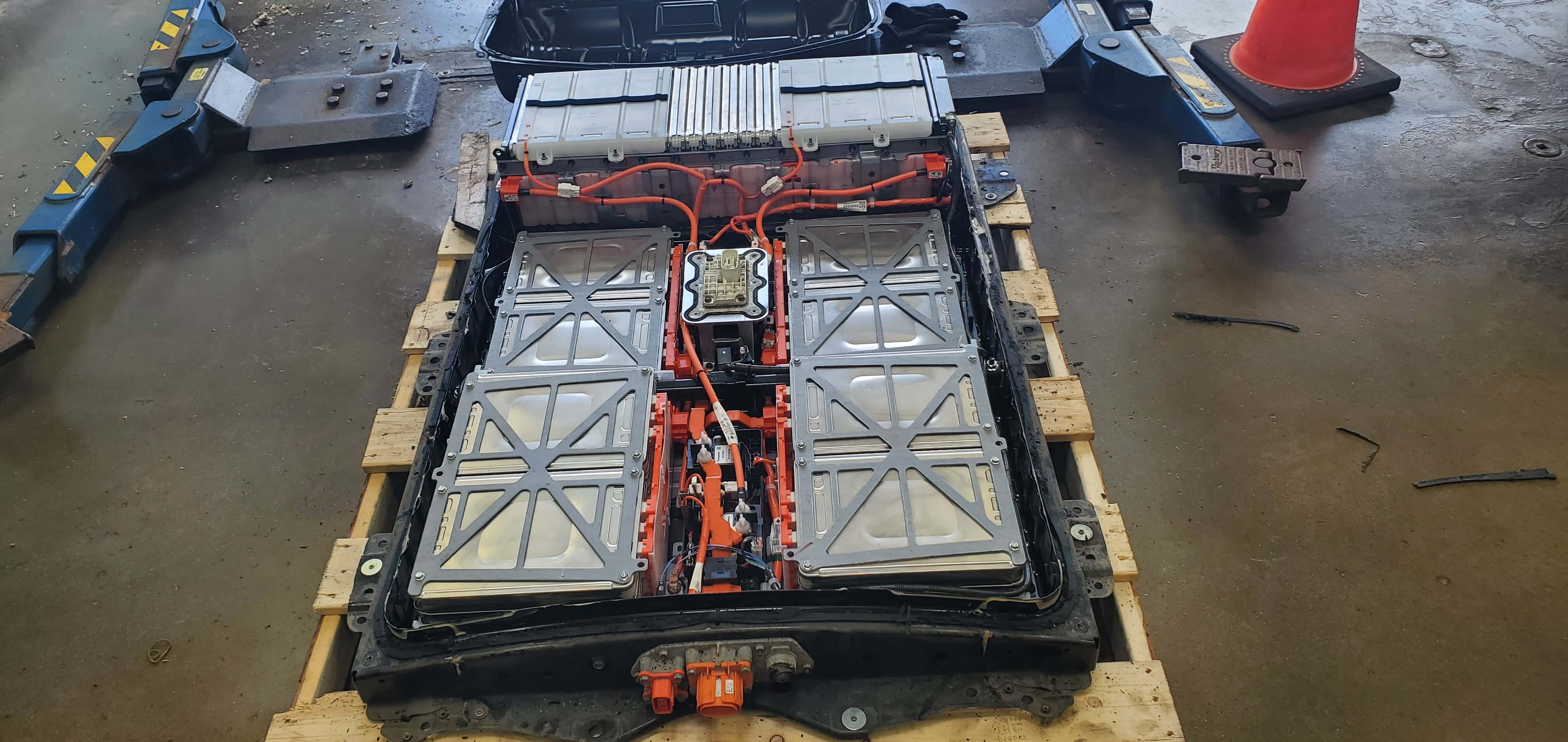
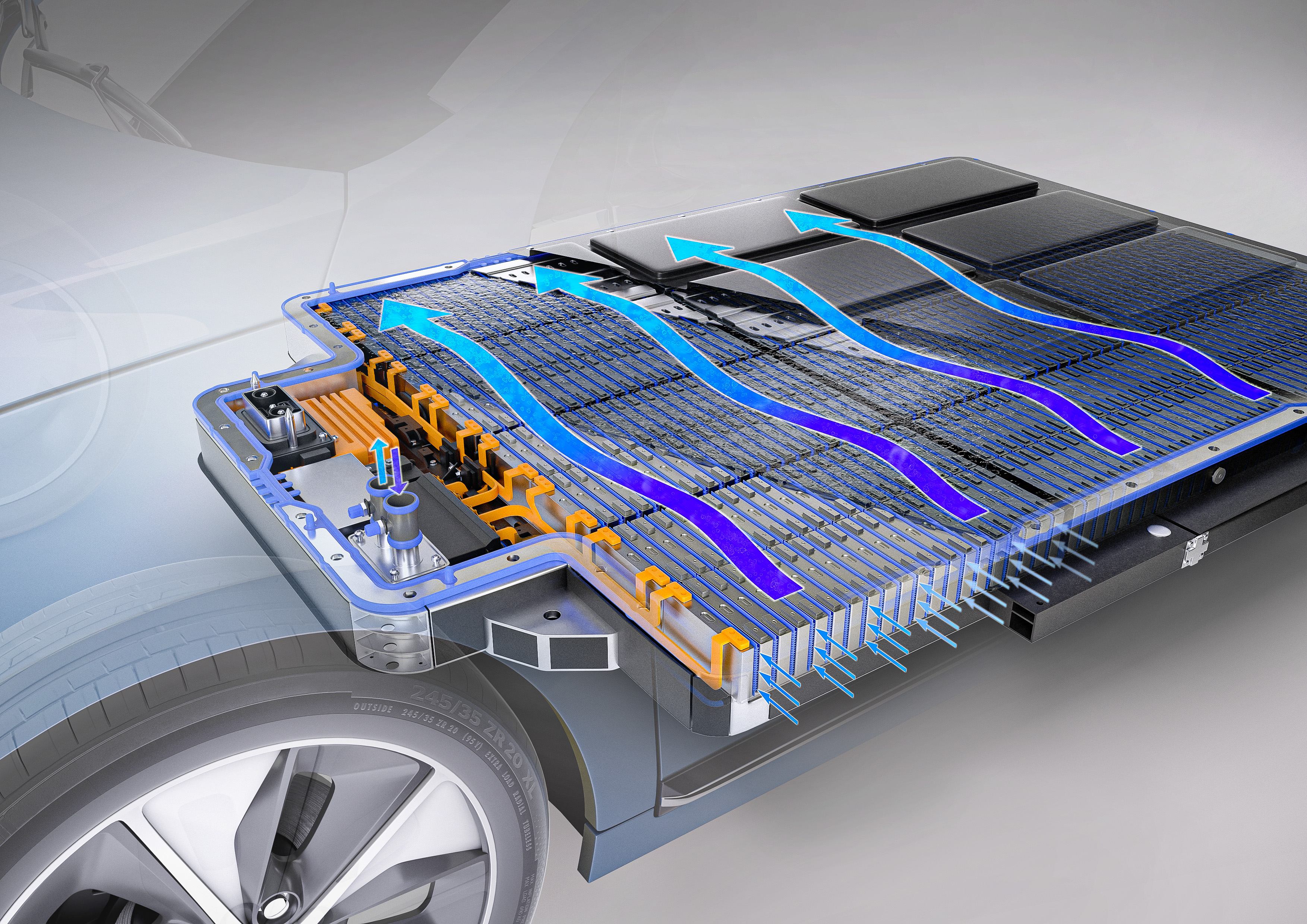

The biggest perceived maintenance concern in India is battery health. In reality:
- Most EV batteries last 8–12 years
- Manufacturers provide 8-year / 160,000 km warranty
- Degradation in India averages 1.5–2% per year
So within 5 years, battery replacement cost is zero for almost all owners.
Current replacement estimates (post-warranty):
- Small EV battery: ₹3–5 lakh
- Mid-size EV battery: ₹5–8 lakh
This is why buyers researching mahindra ev car price, vitara ev price, or punch ev on road price should evaluate long-term battery warranty rather than replacement cost fears.
Factors affecting EV maintenance cost in India
1. Driving pattern
City driving lowers brake wear due to regenerative braking.
2. Climate
Hot regions slightly increase battery cooling system service.
3. Tyre size
Heavier SUVs like mahindra ev cars use wider tyres → higher cost.
4. Charging habits
Frequent DC fast charging slightly increases cooling fluid service frequency.
EV vs petrol: 5-year maintenance comparison
| Segment | EV car | Petrol car |
|---|---|---|
| Hatchback / small SUV | ₹45k–80k | ₹1.2L–1.8L |
| Compact SUV | ₹60k–95k | ₹1.5L–2.2L |
| Mid SUV | ₹70k–1.1L | ₹1.8L–2.8L |
EV maintenance savings over 5 years: ₹80k–₹1.7L
Impact on ownership cost & resale
Lower servicing improves total ownership economics. For example:
- Buyers comparing cheapest ev car in india vs petrol hatchbacks see lower running + maintenance
- Upcoming maruti ev car models like maruti suzuki ev SUVs will likely match Tata’s service costs
- Lower mechanical wear may improve resale confidence
Even future segments such as entry EVs (speculated nano electric car price range) will benefit from minimal service requirements.
Service schedule: typical EV car in India
| Year | Service scope | Cost |
|---|---|---|
| Year 1 | Inspection & software | ₹2k–3k |
| Year 2 | Filter + inspection | ₹3k–5k |
| Year 3 | Coolant check | ₹5k–8k |
| Year 4 | Brake pads possible | ₹8k–15k |
| Year 5 | Major inspection | ₹8k–12k |
Total aligns with ₹50k–90k range.
Key takeaways for Indian EV buyers
- EV cars cost 60–70% less to maintain than petrol cars
- No engine-related servicing expenses
- Battery costs irrelevant within 5 years
- Tyres are the biggest wear cost
- Larger SUVs have higher maintenance than small EVs
For buyers comparing e vitara on road price, mahindra ev car price, or punch ev on road price, maintenance is a major long-term advantage that offsets higher upfront cost.
Electric mobility in India is shifting from early adopters to mainstream buyers, and ownership economics matter more than ever. As new models from Tata, Mahindra, and maruti suzuki ev platforms enter the market, servicing simplicity will remain a defining benefit. For anyone evaluating an ev car, understanding the Maintenance cost of EV cars in India (5-year view) helps clarify real long-term affordability beyond showroom pricing.